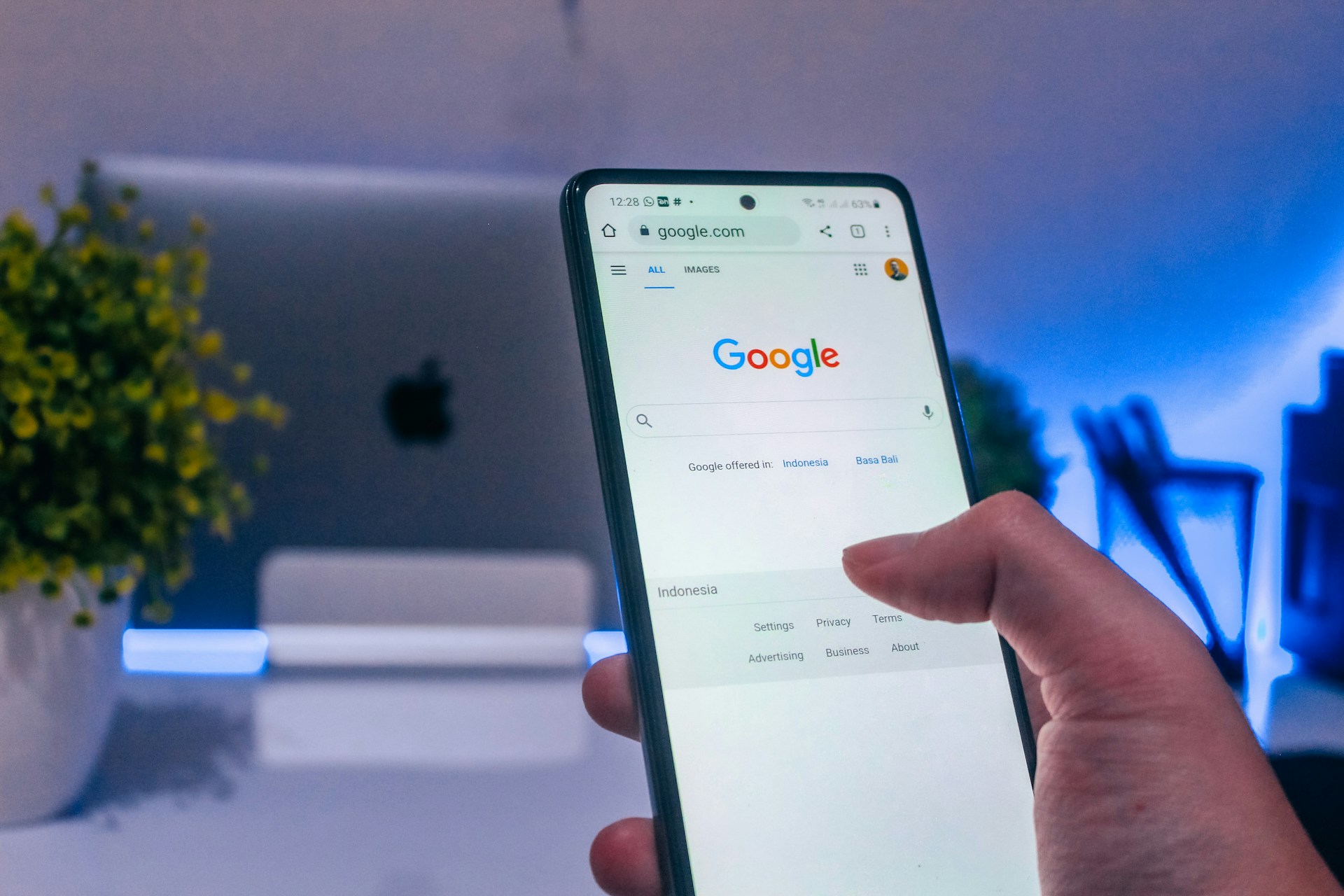
Google Ads can put your business in front of someone who is already looking for the service you offer. The harder part is knowing whether the money you spend produces inquiries worth following up on. A campaign can attract plenty of clicks while bringing in people outside your service area or customers asking for work you do not provide.
For small businesses in Franklin, Spring Hill, and the surrounding area, a useful plan starts with a specific service and a way to measure what happens after the click. At Franklin Marketing Co., our Google Ads management services include keyword planning, budget management, conversion tracking, and recommendations for the page visitors reach from an ad. Here is how those pieces fit together.
Start with the work you want to book
Before choosing keywords, decide which service needs more customers. Consider the work your team can take on, the profit it contributes, and how quickly you can respond to an inquiry. Promoting every service at once can make a limited budget difficult to evaluate.
A remodeling company, for example, might start with bathroom renovation inquiries rather than advertising every type of construction project. That gives the campaign a clearer audience and makes it easier to write a relevant ad. Our marketing for contractors includes service-specific landing pages and keyword targeting built around the work homeowners are searching for.
Build a budget around your business numbers
There is no single Google Ads budget that suits every small business. Your starting amount should reflect the cost of reaching customers in your market, the value of a new customer, and what you can afford to spend while assessing the campaign.
Use your own sales information to estimate what an inquiry is worth. If you know how many qualified inquiries typically turn into customers, you can work backward from the amount you are comfortable spending to acquire one customer. Look at the profit a job contributes after its delivery costs, rather than treating the full invoice as money available for advertising.
For illustration only, suppose a business spends $1,200 on ads and receives 12 qualified inquiries. Its advertising cost per qualified lead would be $100. If three of those inquiries become customers, its advertising cost per acquired customer would be $400. These figures are hypothetical, not suggested rates or expected results. Management fees and website expenses would be additional costs.
For a campaign using an average daily budget, Google explains that daily spending can vary. Its guide to average daily budgets uses 30.4 to convert a monthly amount into a daily average. A $1,200 monthly media budget would therefore be about $39.47 per day. For most campaigns, the monthly spending limit is 30.4 times that daily budget when the budget remains unchanged throughout the month.
Keep targeting close to the services you provide
Choose search terms that describe the service a customer can actually buy from you. A search for a bathroom remodeling contractor has a different purpose from a search for bathroom decorating ideas. Both mention bathrooms, but they do not represent the same opportunity.
Location settings deserve the same attention. If your crew takes projects in Franklin and Spring Hill, review whether the campaign is reaching the people you intend to serve. An inquiry from somewhere you cannot reasonably travel may add to the lead count without helping your business.
Search term reviews can also reveal unwanted traffic. Google’s explanation of negative keywords describes how advertisers can exclude searches that do not fit their offer. A contractor might identify job searches or do-it-yourself instructions that are unsuitable for a particular campaign. Choose exclusions carefully so you do not block potential customers along with irrelevant searches.
Make the landing page match the ad
Someone who clicks an ad for a particular service should land on a page that clearly explains that service. If the page leaves them searching through your navigation, it adds another step before they can decide whether to contact you.
Review the page on a phone. Check that the service area is clear, the contact details work, and the form asks for information your team needs. Relevant project photos and an explanation of what happens after an inquiry can help visitors assess your business.
Our website creation and management services focus on clear service pages, mobile usability, and contact paths. Those details matter when you are paying to bring visitors to the site. A campaign review should include the page experience alongside the ads themselves.
Track inquiries and check their quality
A click tells you someone visited. It does not tell you whether they requested an estimate, booked an appointment, or became a customer. Decide which actions you need to measure before evaluating campaign performance.
Google’s conversion measurement overview explains how advertisers can measure valuable actions, including website activity, phone calls, and offline outcomes. The appropriate setup depends on how customers contact and buy from your business. Test the setup so a form submission or relevant call is recorded as intended.
Then compare the advertising reports with your actual inquiries. A tracked conversion may still be a duplicate request or someone looking for a different service. Keep a simple record of whether each inquiry was relevant, whether your team reached the person, and whether the conversation led to a sale. That helps distinguish a campaign producing activity from one producing useful opportunities.
Review spending alongside booked work
Cost per lead becomes more useful when you define what counts as a qualified lead. A low-cost inquiry that your team cannot serve may be less valuable than a more expensive inquiry for the right project.
During reviews, look for a specific problem to investigate. If clicks arrive but inquiries do not, check the offer, landing page, and tracking. If inquiries arrive but rarely become customers, review their fit and your follow-up process. Allow for your normal sales cycle before judging whether recent leads have converted.
Keep a record of significant changes so you can compare results over time. Changing the budget, ads, and landing page together makes it harder to understand which adjustment helped.
Connect paid search with your broader marketing
Google Ads is one way customers can discover your business. Some will also compare your organic search presence or visit your website again before making a decision. Our SEO services address local search, website content, and technical improvements that support that broader presence.
Plan these channels around the same services and customer needs. Your ads, website, and sales conversations should give people a consistent understanding of what you offer.
Plan your next campaign with Franklin Marketing Co
Whether you are starting Google Ads or reviewing an existing account, begin with the service you want to promote and the results you need to measure. Franklin Marketing Co. can help with campaign planning, budget management, conversion tracking, and landing page recommendations.
Contact Franklin Marketing Co. to discuss your service area, advertising goals, and current campaign. We can help you decide what needs attention before you put more money into bringing visitors to your website.